

How Instructor Cue Timing Affects Resistance Choices and Movement Quality in a Spin Studio
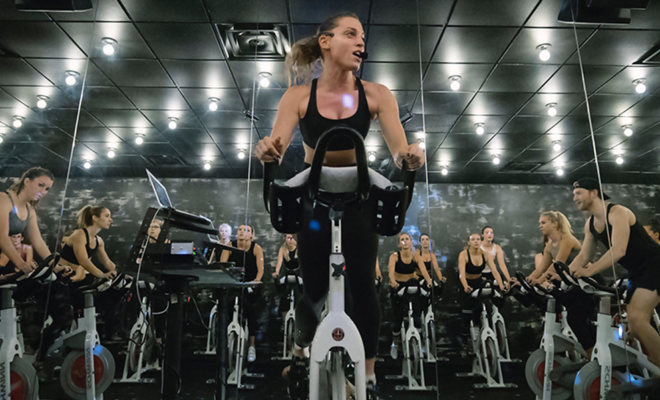
An instruction can be technically correct and still arrive too late to be useful. If riders hear “add resistance and stand” at the exact moment the music changes, they must process the cue, turn the knob, alter cadence and shift body position simultaneously. Some will stand before the load is ready. Others will add too much resistance because they are rushing.
At a spin studio Singapore, cue timing is part of movement quality. Effective instruction gives riders enough notice to make one decision at a time while keeping attention on the bike. The goal is not constant talking. It is providing the right information before, during and after a transition.
Advance Cues Reduce Decision Compression
Decision compression occurs when several actions must happen inside a very short window. Indoor cycling transitions often combine resistance, cadence, position and effort.
An advance cue separates these actions. Ten to 20 seconds before a climb, the instructor can explain that resistance will rise, cadence will slow and riders will remain seated initially. Closer to the transition, a short reminder completes the sequence.
This allows riders to prepare rather than react. It is especially important for new participants, but experienced riders also benefit when the class uses complex interval structures.
Cue the Load Before the Position
Standing without sufficient resistance can make the pedals feel unstable. Excessive load can cause cadence to stall and encourage riders to pull heavily on the handlebars.
A useful order is resistance, cadence control, then position. Riders first establish enough pedal connection, confirm that the bike is moving smoothly and only then stand.
When returning to the saddle, cue the position change before a major resistance reduction. Sitting onto an almost unloaded, fast-moving flywheel can encourage bouncing.
The sequence supports safety without using alarmist language.
Resistance Language Should Explain the Outcome
Instructions such as “one full turn” assume every rider begins from the same load and every bike responds identically. They can be useful as rough direction but should not be the only information.
Outcome-based language explains what the rider should experience: enough resistance to support body weight while standing, a load that permits cadence without knee or hip compensation, or a recovery setting that lets breathing settle.
The best cue combines action and purpose. “Add resistance gradually until the pedals support you, then stand when cadence is stable” is more informative than “turn and go”.
Transition Windows Need Real Time
A transition window is the period between the first instruction and the required movement. Its length should reflect task complexity. A small seated resistance change needs less time than moving into a heavy standing climb.
Riders also need time to correct mistakes. If the programme changes again immediately, someone who missed the first cue may spend the entire block catching up.
Build short stabilisation periods after complex transitions. The instructor can then observe the room before adding another layer such as higher cadence or upper-body movement.
Too Many Cues Can Reduce Movement Quality
Working memory is limited, particularly during hard exercise. A stream of posture, breathing, cadence, resistance and motivational cues can compete for attention.
Prioritise one primary technical outcome. During a high-cadence block, it may be pelvic stability. During a heavy climb, it may be controlled torque without pulling on the bars. Secondary cues can follow once the primary condition is established.
Research on verbal coaching cues shows that wording and attentional focus can influence motor-skill execution. Although indoor cycling differs from many studied sports, the practical principle remains useful: cues should direct attention clearly rather than overload it.
Correct Before Compensation Becomes Established
A delayed correction allows a poor movement strategy to repeat. If a rider begins bouncing at high cadence, waiting until the track ends wastes the opportunity. A concise cue to add slight resistance or reduce rpm can restore control.
However, immediate correction does not mean public criticism. General room cues can solve common problems. Individual feedback should be discreet, specific and delivered when the rider can process it.
For an urgent safety issue, stop or modify the action promptly. For a minor efficiency issue, choose a moment when intensity is lower and the rider is not managing several transitions.
Timing Changes the Meaning of Motivation
Motivational language can support effort, but its timing matters. Encouraging riders to push harder just as they need to reduce resistance for recovery creates conflicting priorities.
Match motivation to the block’s purpose. During work, reinforce sustained execution or a controlled finish. During recovery, validate actual unloading rather than demanding constant intensity.
The room should not receive “more” as the default answer to every phase. Sometimes the correct coaching outcome is smoother, steadier or lighter.
Use Countdown Cues Consistently
Countdowns help riders anticipate change when they are accurate and used consistently. An instructor who repeatedly says “ten seconds” for 20 seconds weakens trust and pacing.
Use a clear structure such as 15-second notice, five-second countdown and transition command. Not every change needs all three stages, but important position or intensity shifts do.
The musical phrase can support timing, yet the instructor should avoid assuming every rider recognises it. Verbal information remains essential.
Cue Recovery With Equal Precision
Work transitions often receive detailed instruction, while recovery is announced with “easy”. Riders may sit but leave heavy resistance, or spin rapidly without control.
Recovery cues should specify resistance direction, cadence quality, breathing opportunity and duration. Riders need to know whether the recovery is partial or substantial.
This precision improves the next interval because people arrive with a more similar understanding of the intended dose, even though their individual power remains different.
Build Feedback Loops Into the Class
After a cue, observe the result. Did most riders change resistance appropriately? Did cadence stabilise? Did posture improve? If not, the wording or timing may need revision.
An instructor can ask for an RPE check or invite riders to verify that they can control the pedals. Feedback loops turn instruction into communication rather than a one-way script.
The bike setup, technique, cadence, resistance and power-oriented formats at TFX Singapore create many transition types. Consistent cue logic helps riders transfer decision-making skills across them.
Clear Timing Supports Rider Autonomy
Good cues do not make riders dependent on constant commands. They explain what is changing, why it matters and how to recognise the correct outcome. Over time, riders learn to adjust resistance and cadence intelligently.
The strongest instructor is not necessarily the one who speaks most. It is the one whose timing lets the room act with control.
Frequently Asked Questions
How early should an instructor announce a transition?
It depends on complexity. A major resistance and position change may need 10 to 20 seconds of notice, while a small seated adjustment needs less.
Should resistance be added before standing?
Generally, riders should establish enough load and cadence control before changing position. This helps the bike support the standing movement.
Are fixed knob turns useful?
They can provide direction, but starting resistance and bike response differ. Pair turns with an outcome-based cue and individual scaling.
When should an instructor correct technique?
Address urgent safety issues immediately. Deliver other corrections when the rider can process them, using concise, specific and respectful language.


