

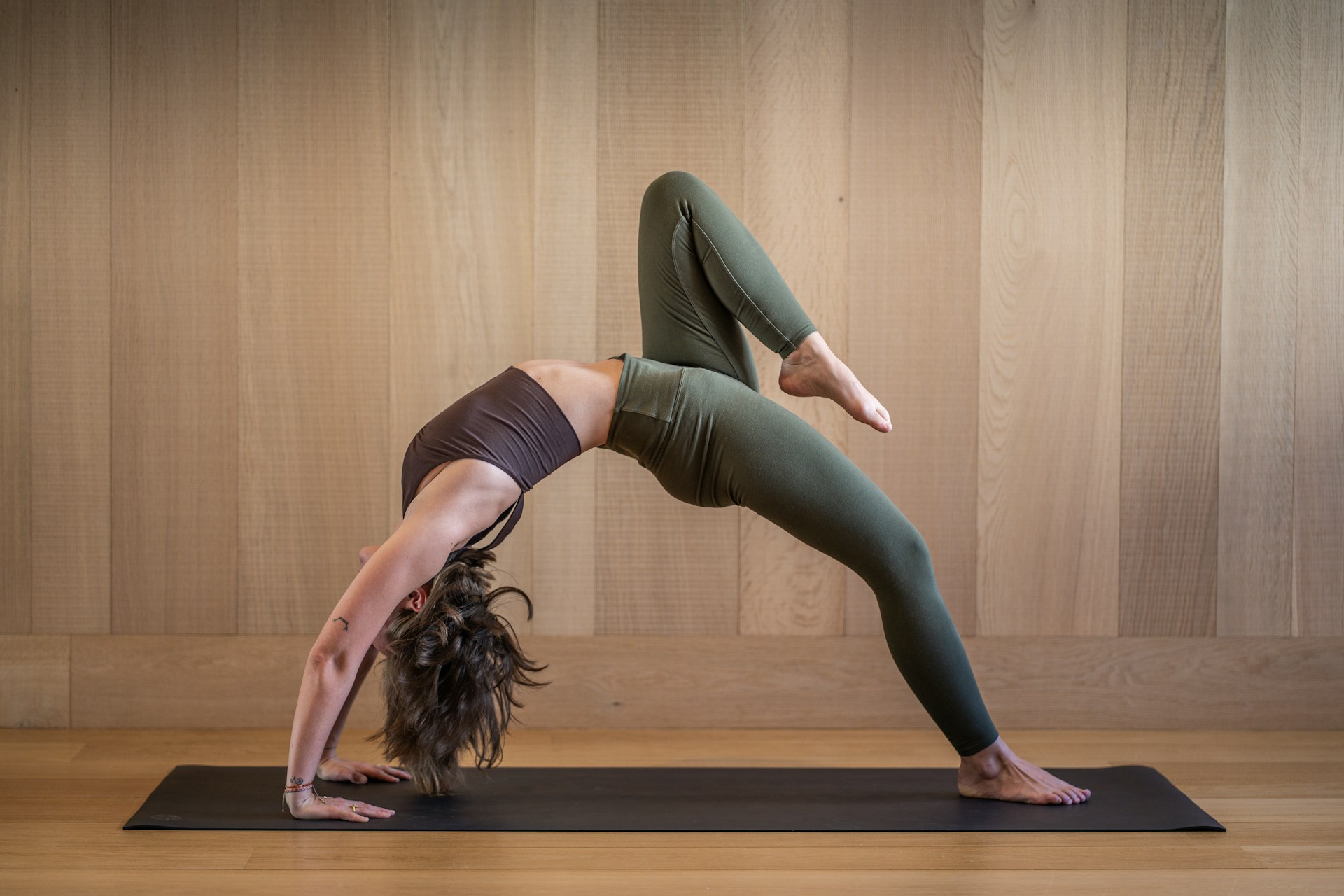
Many people assume pelvic floor training is only about squeezing muscles or doing isolated exercises. In reality, the pelvic floor works as part of a coordinated system with the breath, diaphragm, deep core, hips, and spine. When this system loses timing or balance, symptoms often appear quietly. These may include lower back discomfort, hip tightness, reduced exercise tolerance, poor posture control, or difficulty relaxing after long workdays.
In busy urban environments like Singapore, prolonged sitting, shallow breathing, stress, and uneven movement patterns can disrupt pelvic floor coordination without obvious warning signs. A mindful hatha yoga practice offers a practical way to restore this coordination through breath-led movement, stable alignment, and controlled load.
This article explores how hatha yoga supports pelvic floor coordination rather than just strength, and how this approach improves daily movement, comfort, and long-term resilience.
Understanding the pelvic floor as a coordination system
The pelvic floor is a group of muscles at the base of the pelvis that supports organs, manages pressure, and contributes to posture and stability. It does not work alone. Its function depends on timing with surrounding systems.
Key partners include:
-
The diaphragm, which drives breathing
-
The deep abdominal muscles, especially transversus abdominis
-
The hip muscles, particularly the glutes and deep rotators
-
The spine and ribcage, which influence pressure management
When these systems move together, the pelvic floor responds naturally. When they fall out of sync, the pelvic floor may grip too much, fail to engage when needed, or fatigue easily.
Why “stronger” is not always better
A common misconception is that pelvic floor issues are always due to weakness. In practice, many people already have excessive tension.
Signs of poor coordination rather than weakness include:
-
Difficulty relaxing the lower abdomen
-
Shallow chest breathing
-
Holding the breath during effort
-
Tight hips combined with a feeling of instability
-
Discomfort during prolonged sitting or standing
Hatha yoga focuses on restoring movement quality first, so strength develops in a balanced way rather than reinforcing tension.
The role of breath in pelvic floor coordination
Breath is the entry point for retraining pelvic floor timing. On inhalation, the diaphragm descends and the pelvic floor should gently respond by lengthening. On exhalation, both naturally recoil.
If breath is restricted, the pelvic floor loses this rhythm.
In hatha yoga, slower pacing allows you to:
-
Feel the subtle lift and release of the pelvic floor
-
Reduce breath holding during effort
-
Coordinate movement with exhalation rather than bracing
This breathing pattern carries into daily life, improving how the body handles pressure during lifting, walking, or prolonged sitting.
How posture influences pelvic floor function
Pelvic floor muscles respond directly to posture. A tucked pelvis or excessive arch changes how these muscles load and release.
Common postural patterns that disrupt coordination:
-
Constantly tucking the tailbone while standing or sitting
-
Over-arching the lower back to “stand tall”
-
Rib flare that increases downward pressure
Hatha yoga emphasises neutral alignment, where the pelvis, ribs, and head stack efficiently. This position reduces unnecessary strain and allows the pelvic floor to respond automatically.
Key hatha principles that support pelvic floor coordination
These principles shape a practice that is restorative rather than forceful.
Move slowly enough to feel timing
Fast transitions hide compensations. Slower movement reveals how breath and muscle engagement interact.
Use effort without gripping
Effort should feel supportive, not clenched. If you feel constant tightening in the lower abdomen or jaw, reduce intensity.
Allow recovery between holds
Brief pauses between poses allow the pelvic floor to fully release before the next demand.
Foundational poses that retrain coordination
These poses focus on awareness, alignment, and breath rather than intensity.
Constructive rest with breath awareness
This simple position sets the foundation.
-
Lie on your back with knees bent and feet on the floor
-
Place one hand on the ribs and one on the lower abdomen
-
Inhale gently, feel expansion
-
Exhale slowly, feel natural recoil without forcing
This teaches the pelvic floor to respond to breath rather than command.
Bridge pose with controlled pressure
Bridge becomes a coordination exercise when done thoughtfully.
-
Feet hip-width apart, knees tracking forward
-
Exhale to lift the hips without gripping the glutes excessively
-
Inhale at the top, soften the ribs
-
Exhale to lower slowly
The focus is smooth transitions, not height.
Low lunge with pelvic awareness
This pose integrates hip mobility and pelvic stability.
-
Back knee down, front knee stacked
-
Keep pelvis neutral, avoid over-tucking
-
Inhale to lengthen the spine
-
Exhale gently as you deepen the lunge
This trains the pelvic floor to support movement through the hips.
Squat variation with support
A supported squat encourages pelvic floor responsiveness.
-
Use blocks or a rolled mat under heels if needed
-
Keep chest upright
-
Inhale to prepare
-
Exhale as you lower, inhale to rise
The pelvic floor learns to lengthen and engage dynamically.
Integrating pelvic floor coordination into standing poses
Standing poses often reveal habits of bracing or gripping.
Warrior I with breath control
-
Step into a stable stance
-
Keep ribs stacked over pelvis
-
Inhale to lengthen
-
Exhale during effort rather than holding breath
This reduces downward pressure and improves endurance.
Chair pose with awareness
Chair pose often triggers excessive gripping.
-
Sit back into hips
-
Keep weight balanced through feet
-
Exhale gently as you hold
-
Release fully between rounds
Quality matters more than duration.
A 25-minute hatha structure for pelvic floor coordination
This framework balances awareness and strength.
Phase 1, breath and alignment (5 minutes)
-
Constructive rest breathing
-
Gentle pelvic tilts
Phase 2, slow strength (10 minutes)
-
Bridge pose
-
Low lunge variations
-
Supported squat
Phase 3, standing integration (7 minutes)
-
Warrior I
-
Chair pose with rest breaks
Phase 4, release (3 minutes)
-
Supine twist
-
Calm nasal breathing
This structure builds coordination without overload.
Daily habits that reinforce progress
Yoga practice works best when daily habits align.
Avoid constant bracing
-
Let the abdomen soften when sitting
-
Avoid holding breath during tasks
-
Exhale gently during effort
Move regularly
Long static positions fatigue coordination systems. Short movement breaks improve pelvic floor responsiveness.
Manage stress intentionally
Stress increases muscle tone. Simple breathing breaks during the day help prevent unconscious gripping.
Learning in a guided setting
Pelvic floor coordination can be subtle. Clear cueing and intelligent sequencing help students feel changes without confusion. Practising at Yoga Edition allows practitioners to explore this work in a supportive environment, with options that prioritise awareness over performance.
Real-life FAQ
Q: Is pelvic floor yoga only relevant for women?
A: No. Everyone has a pelvic floor, and coordination issues affect all genders. Men often experience similar patterns related to posture, breathing, and hip mobility.
Q: Can hatha yoga help even if I do not have clear symptoms?
A: Yes. Improved pelvic floor coordination supports posture, breathing efficiency, and movement quality, which benefits long-term joint and spinal health.
Q: Should I consciously squeeze my pelvic floor during poses?
A: In most cases, no. Over-squeezing can increase tension. Focus on breath and alignment so the pelvic floor responds naturally.
Q: How long does it take to feel changes?
A: Many people notice subtle improvements in comfort and awareness within a few weeks of consistent practice. Coordination improves gradually with repetition.
Q: Can this approach support other exercise or sports?
A: Yes. Better pelvic floor coordination improves pressure management and stability, which supports strength training, running, and daily activities.
Q: When should I seek professional advice?
A: If you experience pain, incontinence, or persistent discomfort, consult a qualified healthcare professional alongside yoga practice. Yoga works best as part of a broader care approach.