

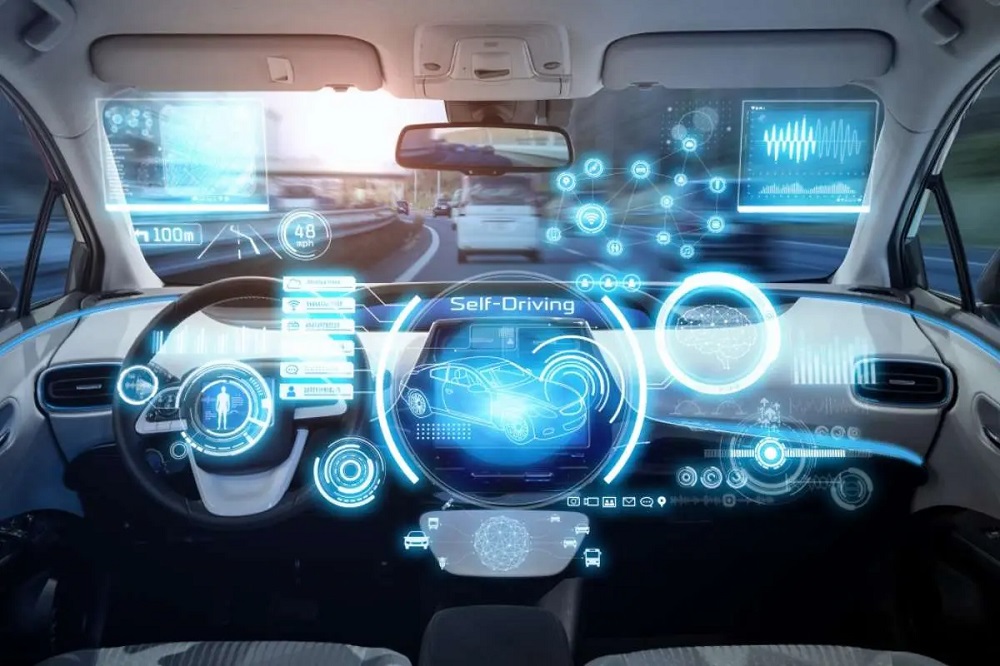
The modern automobile is undergoing the most radical transformation since it replaced the horse and buggy. For over a century, drivers evaluated vehicles based on mechanical metrics: horsepower, fuel efficiency, ride handling, and trunk space. Today, a different set of variables dominates the consumer mindset. Computing power, over-the-air software updates, seamless ecosystem integration, and predictive maintenance are the new benchmarks of automotive excellence.
Vehicle connectivity—the ability of a car to communicate via the internet with external systems, infrastructure, other vehicles, and personal devices—has shifted from a premium novelty to a baseline requirement. This technological evolution is fundamentally reshaping what drivers expect when they step inside a vehicle. A car is no longer just a localized tool for transportation; it is an intelligent, connected node in a driver’s digital life.
The Shift from Mechanical Value to Digital Experience
Historically, purchasing a vehicle meant buying a static piece of hardware. The day you drove the car off the dealership lot was the best that vehicle would ever be. Over time, components wore down, the technology aged, and the driving experience slowly degraded until it was time to trade it in for a newer model.
Connectivity has completely inverted this paradigm. Through software-defined vehicles, automakers can now deploy over-the-air updates that modify everything from infotainment layouts to battery management protocols and advanced driver assistance calibration. Drivers now expect their vehicles to improve over time, much like a smartphone receiving an operating system update.
This shift has changed the consumer relationship with vehicle depreciation. While the physical hardware still ages, the digital capabilities can remain fresh, expanding the vehicle’s lifespan and maintaining a modern user experience for years after the initial purchase. Consequently, drivers are becoming less tolerant of rigid, unupdatable factory systems.
The Demand for Seamless Digital Ecosystem Integration
Drivers no longer view their automotive journey as an isolated activity. Instead, they expect a continuous, uninterrupted transition from their home and office environments into their vehicles. The expectation is that preferences, calendars, navigation routes, and media playlists should sync automatically the moment the cabin door opens.
This demand manifests in several distinct areas:
-
Infotainment Parity: Consumers expect the responsiveness, visual clarity, and search capabilities of their vehicle’s dashboard to match their smartphones. Sluggish native navigation maps and clunky voice recognition systems are no longer excused as automotive quirks; they are viewed as critical product failures.
-
Smart Home Synchronization: Drivers increasingly expect to control home automation systems from the road. Whether it is adjusting the home thermostat, checking security cameras, or opening the garage door via voice commands as the vehicle enters the neighborhood, the car is viewed as a mobile command center.
-
Unified Profiles: When multiple drivers share a single vehicle, the car is expected to recognize the individual user via their phone or biometric data. The vehicle must automatically adjust seat positions, mirror angles, climate preferences, and favorite media channels without manual intervention.
From Reactive Maintenance to Predictive Care
Vehicle breakdowns and unexpected repairs have long been a primary source of driver anxiety. Connected vehicles are mitigating this stress by replacing the traditional dashboard check-engine light with comprehensive, real-time diagnostic telemetry.
Drivers now expect their vehicles to be self-aware. Connected cars monitor the health of critical sub-systems, track wear and tear on components like brake pads and batteries, and analyze performance anomalies before they lead to mechanical failure.
Instead of waiting for a breakdown, drivers expect an automated notification on their smartphone explaining the precise issue, the urgency of the repair, and a prompt to schedule a service appointment at their preferred local dealership. In some advanced ecosystems, the vehicle can pre-order the necessary replacement parts to ensure they are available the moment the driver arrives at the service bay, minimizing downtime.
Elevated Expectations for Safety and Driver Assistance
The integration of vehicle-to-everything communication is rapidly altering driver benchmarks for safety. While passive safety features like crumple zones and airbags remain vital, the modern driver expects active, intelligent intervention powered by real-time data networks.
Drivers expect advanced driver assistance systems to look far beyond the line of sight of onboard cameras and radar. Connected safety capabilities allow vehicles to receive alerts about road hazards, black ice, construction zones, or sudden traffic deceleration miles ahead, transmitted by other vehicles that encountered the hazard moments earlier.
This shared network intelligence creates a blanket of situational awareness that drivers quickly grow accustomed to. Once a driver experiences a vehicle that automatically slows down for an unseen traffic jam around a blind curve, returning to a non-connected vehicle feels like a significant safety compromise.
Personalized Commerce and On-Demand Features
Vehicle connectivity has turned the cabin into a platform for digital commerce, creating an environment where transactions are expected to be frictionless and integrated into the drive itself.
Drivers now expect to interact with the world around them through their dashboard interface. This includes paying for fuel or electric vehicle charging directly from the screen without pulling out a credit card, reserving and paying for parking spaces ahead of arrival, and ordering food for curbside pickup along a navigation route.
Furthermore, connectivity has introduced the concept of feature-on-demand purchasing. Drivers increasingly expect the flexibility to activate specific vehicle capabilities when needed, rather than paying a large upfront cost at the time of purchase. For instance, a driver might choose to unlock enhanced navigation capabilities or specialized cold-weather heating packages exclusively during the winter months, customizing the vehicle’s utility dynamically.
Frequently Asked Questions
How does vehicle connectivity function in areas with poor cellular reception?
Most connected vehicles rely on onboard cellular modems to communicate with cloud networks. When driving through dead zones, critical driving functions and baseline navigation systems continue to operate locally using cached data and onboard sensors. Non-essential features, such as real-time traffic updates, cloud-based voice processing, and media streaming, will temporarily pause until the vehicle re-establishes a network connection.
Can a connected vehicle be tracked by external entities when the ignition is turned off?
Yes, connected vehicles routinely maintain a low-power cellular link even when parked and turned off. This connection enables features like remote cabin pre-conditioning, remote lock and unlock functions, and location tracking for stolen vehicle recovery or parking spot retrieval via smartphone apps. Drivers concerned with privacy can generally manage data-sharing preferences and disable tracking features within the vehicle privacy settings menu.
Do connected vehicle features require ongoing subscription fees after purchasing the car?
Automakers handle connected services differently, but many offer a complimentary trial period for premium connectivity features when the vehicle is purchased new. Once this trial period expires, services that incur ongoing data costs, such as live satellite maps, in-car Wi-Fi hotspots, and advanced streaming services, usually require a monthly or annual subscription fee to remain active.
How do over-the-air updates affect the auto insurance rates of a connected vehicle?
Over-the-air updates can directly influence insurance risk profiles. If an automaker deploys a software update that improves braking distances, enhances collision avoidance algorithms, or adds new driver monitoring safety features, the overall safety rating of the vehicle improves. Some insurance providers factor these digital enhancements into their premium calculations, potentially lowering rates for verified updates.
What happens to a driver’s personal data when a connected vehicle is sold?
Connected vehicles store a significant amount of personal information, including home addresses, phone contacts, garage door codes, and digital account credentials. Before selling or trading in a connected car, drivers must perform a factory reset through the infotainment settings menu. This process wipes all localized user profiles, unlinks smartphone applications, and restores the system to its baseline state to protect consumer privacy.
In what ways does vehicle connectivity optimize electric vehicle charging strategies?
For electric vehicles, connectivity is essential for managing range anxiety. Connected systems analyze real-time battery degradation, ambient outside temperatures, topography, and driving styles to predict precise energy usage. The vehicle can then automatically plot a route that includes optimized charging stops, confirming in real-time whether specific charging stalls are currently functional and available before the driver arrives.