How to Keep Your Home Cool Without Constant Air Conditioning
During the hottest months, staying comfortable indoors can feel like a never-ending battle against rising utility bills. Many households rely heavily on air conditioning, but there are practical and affordable ways to cool your home without running it 24/7. With the right combination of shading, insulation, airflow, and smart upgrades, you can create a space that feels fresh and breathable, even when it’s scorching outside. Whether you’re trying to cut costs or just reduce your environmental impact, these tips offer a good starting point for anyone who wants a cooler, calmer living space without overworking the A/C.
Block the Sun Before It Heats the Room
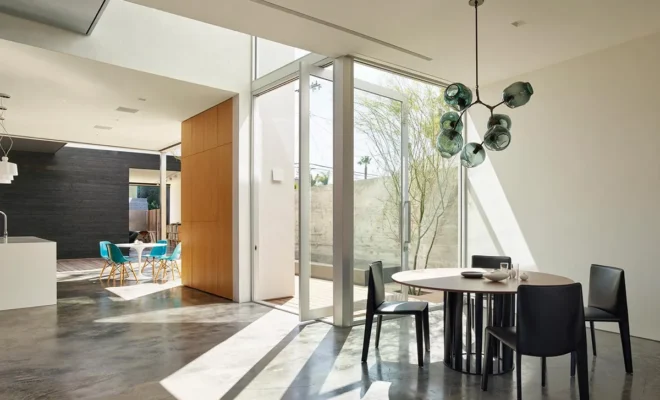
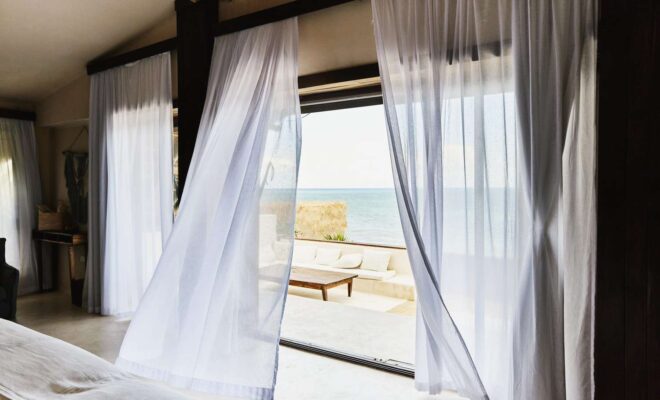
A straightforward method to lower indoor temperatures is by blocking sunlight from entering through the windows. Use blackout curtains or reflective blinds during peak sun hours, especially in east and west-facing rooms. Exterior shading options like pergolas, outdoor blinds, or shade sails can also make a big difference. If you like plants, consider tall greenery on balconies or patios to create natural light filters. Keeping the sunlight out doesn’t just cool the home. It also protects your furniture from fading. Make it a habit to close window coverings during the hottest parts of the day.
Upgrade Your Windows for Efficiency
Your home can lose a surprising amount of cool air through old or poorly sealed windows. Investing in modern, energy-efficient replacements is one of the most effective ways to stabilize indoor temperatures. Many homeowners choose Aladdin replacement windows for their combination of thermal performance, durability, and clean design. These vinyl windows are built to reduce heat transfer, helping to keep indoor spaces cooler without overworking the air conditioner. The upgrade not only improves comfort but also contributes to noticeable energy savings over time, especially when high temperatures become the seasonal norm.
Improve Airflow With Cross Ventilation
A well-placed fan or two can do more than just circulate stale air. It can help direct cooler outdoor air through your home. During the early morning and evening hours, when it’s cooler outside, open windows on opposite ends of your home to allow cross ventilation. Position fans near the openings to help pull in fresh air and push warm air out. Ceiling fans should rotate counterclockwise in summer to create a cooling breeze. While this won’t replace A/C entirely, it can give it a break during milder parts of the day and save energy over time.
Seal and Insulate Key Areas
Air leaks around doors, windows, and attic openings can undo all your cooling efforts. Weatherstripping, caulking, and proper attic insulation can make a significant difference by keeping the hot air out and cool air in. Don’t forget less obvious spots like electrical outlets on exterior walls or gaps around pipes. These can be small but meaningful sources of heat gain. Even a basic weekend DIY project can plug up the worst leaks. If your home is older, a full energy audit might reveal surprising inefficiencies that are easily fixed. Better sealing means less work for your A/C and a cooler home overall.
Use Smart Technology to Your Advantage
Smart thermostats, automated blinds, and app-connected fans can help regulate temperature more efficiently. Program your thermostat to rise a few degrees while you’re out, then cool the house just before you return. Set timers on ceiling fans or portable units to avoid running them constantly. Automated window coverings can be scheduled to close during the day and reopen at night for natural cooling. These tech-based adjustments may seem small, but they stack up to noticeable savings and comfort. The less often your A/C has to cycle on, the more control you have over your energy use and indoor temperature.