

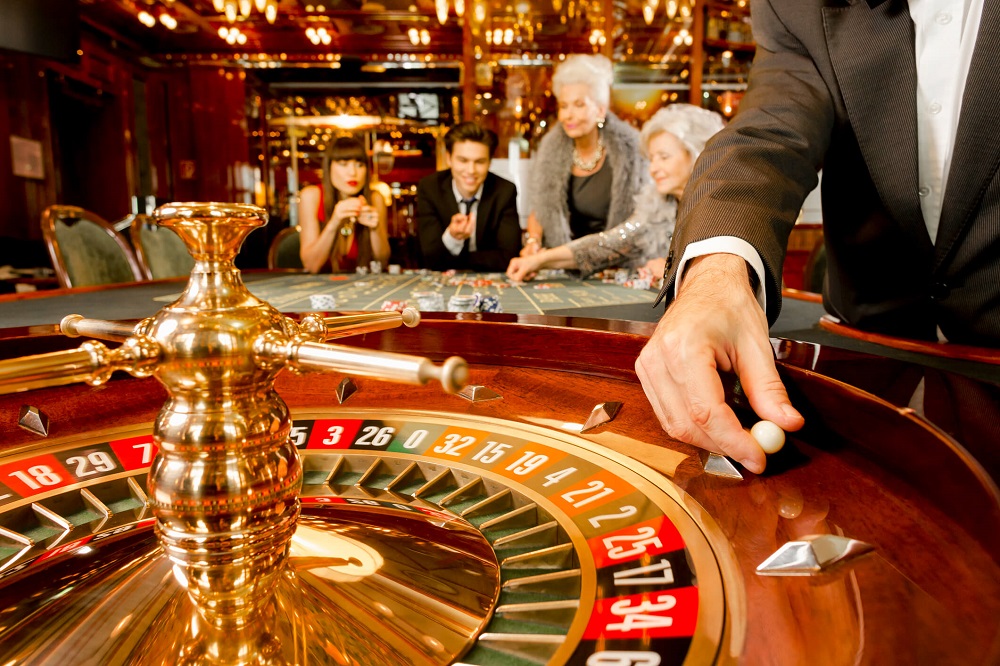
The modern casino floor is not a random collection of flashing lights and gaming tables thrown together in a large room. It is a highly engineered, psychologically optimized environment designed to capture attention, stimulate emotion, and completely immerse visitors in an alternative reality. Over the past several decades, the gaming industry has evolved from simple gambling halls into sprawling integrated resorts where entertainment, hospitality, and architecture converge.
To understand why casinos are so successful at engaging their patrons, one must look beyond the games themselves. The true product being sold is an experience. By systematically engaging all five human senses and leveraging sophisticated principles of environmental psychology, casinos create a seamless, self-contained world where the outside layout fades away, and the immediate environment becomes utterly captivating.
The Architecture of Escape: Friedman vs. Kranes
The physical layout of a casino is the foundation of its immersive power. Historically, two competing architectural philosophies have shaped how these spaces are built, and modern mega-resorts carefully blend elements of both to optimize user engagement.
The first approach, developed by pioneer Bill Friedman, focused on intense focus and navigation. Friedman argued that the gaming equipment should be the primary ornament of the space. His designs featured low ceilings, maze-like walkways, and no direct lines of sight to exits or the outdoors. The goal was simple: place the player in immediate proximity to the machines and eliminate any external distractions that could break their focus.
The second approach, championed by designer Roger Kranes, introduced the playground design model, which dominates modern luxury resorts. Kranes argued that people do not want to feel trapped in a dark maze; instead, they want to feel a sense of luxury, awe, and celebration. This philosophy utilizes soaring ceilings, grand entryways, indoor water features, lush botanical displays, and opulent themes. By creating an environment of extreme comfort and high status, patrons feel relaxed and energized, which naturally encourages them to stay longer and explore the space.
Sensory Engineering: Designing Sight and Sound
Once a visitor enters the property, their visual and auditory landscapes are completely managed by ambient design choices. Every sound and color palette is chosen with a specific behavioral outcome in mind.
The acoustic environment of a gaming floor is meticulously engineered. In past eras, the dominant sound was the harsh clanking of physical coins dropping into metal trays. Today, physical coins have been replaced by digital ticketing systems, yet the sounds remain heavily curated. Slot machines emit harmonious electronic chords, celebratory musical fanfares, and the simulated sound of tumbling gold coins. Crucially, these machines are calibrated to play musical tones in the key of C major, an acoustic choice that human brains naturally associate with happiness, resolution, and success.
Visually, the environment relies on color theory and dynamic lighting. Warm colors like deep reds, rich golds, and vibrant oranges are frequently used in gaming areas because they physically stimulate the human nervous system, increasing heart rates and feelings of excitement. Furthermore, the modern casino utilizes low, ambient overhead lighting paired with hyper-focused, dazzling displays on the machines themselves. This contrast draws the eye directly to the gaming screens, making the surrounding room melt into the background.
Chrono-Isolation and Atmospheric Manipulation
One of the most famous psychological tactics used in the gaming industry is chrono-isolation—the deliberate removal of environmental cues that indicate the passage of time.
Traditional gaming floors famously omit clocks on the walls and windows to the outside world. By blocking natural sunlight, the resort eliminates the visual transition from afternoon to evening, and from night to dawn. This creates a perpetual present moment. A guest walking the floor at three in the morning experiences the exact same lighting, energy, and atmosphere as a guest walking the floor at two in the afternoon, disrupting the body’s natural urge to wrap up the day.
This temporal isolation is reinforced by advanced atmospheric conditioning. The air inside a premium casino is strictly regulated for temperature, oxygenation, and fragrance. Air filtration systems work continuously to remove smoke and staleness, pumping in slightly cooler air to keep guests alert. Many resorts also utilize environmental scenting, infusing specific signature fragrances into the ventilation system. These proprietary floral or musky scents are designed to trigger olfactory memory, subconsciously associating that specific aroma with relaxation, luxury, and excitement every time the guest returns.
Seamless Integration of Non-Gaming Attractions
Modern entertainment properties realize that sustained immersion cannot rely exclusively on slot machines and card games. To maximize the time a guest spends on the property, the resort must satisfy every human need without requiring the individual to step outside the building.
The layout of a modern integrated resort forces a deliberate intersection between gaming and luxury lifestyle amenities:
-
Culinary Curations: Fine dining establishments, celebrity-chef restaurants, and high-end cocktail lounges are strategically placed deep within the interior or along the perimeter of the gaming floor, ensuring guests pass through the energy of the casino to eat.
-
A-List Entertainment: World-class concert theaters, resident pop-star performances, and championship sporting events bring massive crowds directly to the property, transitioning sports fans and concertgoers into the hospitality space.
-
Retail Promenades: High-fashion boutique shopping avenues are woven into the resort architecture, offering an alternative form of dopamine-driven entertainment that mirrors the upscale, aspirational environment of the high-limit gaming rooms.
Digital Personalization and Gamified Loyalty
The illusion of a self-contained world has expanded past physical architecture into the digital realm through the implementation of unified loyalty reward ecosystems and smartphone applications.
When a guest uses a player loyalty card or app, their interactions with the resort are tracked in real-time. This data allows the property to deliver highly personalized, contextual offers directly to the user while they are still on the premises. For instance, if an algorithm notices a patron has been playing a slot machine for an hour, it can instantly send a smartphone notification offering a complimentary steak dinner or free show tickets for that evening.
This digital integration creates a gamified loop where every action—whether buying a coffee, booking a spa treatment, or playing a hand of blackjack—accumulates points and status. By rewarding guests for remaining within the ecosystem, the resort turns the entire property into a unified entertainment game, ensuring that leaving the premises feels like leaving rewards on the table.
Frequently Asked Questions
Why do casino carpets almost always feature chaotic, loud, and intricate patterns?
The vibrant and dizzying patterns found on casino carpets serve a dual purpose. From a practical standpoint, the busy designs hide wear, tear, stains, and dirt caused by thousands of footsteps daily. From a psychological standpoint, the chaotic visual patterns prevent the human eye from focusing downward, naturally encouraging patrons to lift their gaze back up toward the brightly lit gaming machines and attractive structural displays.
How do resorts manage ambient temperatures to keep people engaged?
Gaming floors are typically kept slightly cooler than standard commercial buildings, often hovering between sixty-eight and seventy degrees Fahrenheit. Cooler temperatures prevent drowsiness, keeping people awake, alert, and focused. If a room becomes too warm, the human body naturally relaxes and prepares for rest, which prompts guests to return to their hotel rooms to sleep rather than staying in the entertainment spaces.
What role do ambient scents play in consumer behavior within these environments?
Scent marketing is a powerful tool for behavioral conditioning. Specific ambient fragrances can reduce anxiety, elevate mood, and increase a sense of comfort. Academic studies in environmental psychology have shown that when a gaming space is infused with a pleasant, distinct aroma, slot machine spending increases compared to unscented areas, primarily because guests feel more relaxed and choose to stay in the space longer.
Why are the ceilings in modern luxury resorts so much higher than in older venues?
Older venues utilized low ceilings to create a cozy, dense feeling of intense action, but this often made patrons feel claustrophobic over time. Modern properties utilize massive, vaulted ceilings because spaciousness evokes feelings of freedom, luxury, and grandeur. High ceilings also allow for better air circulation and smoke dissipation, creating a more physically comfortable environment that encourages multi-day stays.
How do physical cash transactions alter the psychological experience of gaming?
Casinos utilize chips, digital vouchers, and electronic loyalty balances to create a psychological buffer between the player and their actual currency. When a player wagers a colorful plastic disk or a digital number on a screen, the brain does not process the transaction with the same emotional weight or pain of payment associated with handing over physical paper bills, making the entertainment experience feel more abstract and less financially stressful.
How is the layout of cash confirmation machines and restrooms planned?
Essential amenities such as automated teller machines, cage cashiers, restrooms, and dining options are intentionally placed deep within the interior of the property, far from the entrance doors. To reach these necessities, guests must navigate through the heart of the gaming floor. This layout exposes them to the sights, sounds, and energy of the games, maximizing the chances that they will pause to engage with an attraction along the way.